From Hammer to Cabinet
Twenty dollars a month
I was scrolling X on my phone when a thread from Dan Rosenthal made me stop and think. Sequoia, he wrote, thinks the next trillion-dollar company won't be a software company. Services will be the new software.
My first thought wasn't about Sequoia. It was about my Claude subscription. Twenty dollars a month.
Twenty dollars, for a tool that reads code, writes test cases, drafts a bug report, and argues with me about whether a failure is real. Not that long ago, one seat of a commercial test automation tool cost thousands of dollars a year! Now, some of the most capable tools I currently use cost less than lunch for two.
So if anyone can buy these tools for twenty dollars, why would they pay someone else to do the work?
Six dollars for every one
The thesis comes from Julien Bek at Sequoia Capital, and the math behind it is simple. For every dollar companies spend on software, they spend about six on services. Rosenthal's example makes it easy to understand. A company might pay $10,000 a year for QuickBooks and $120,000 for the accountant who closes the books. SaaS companies have spent twenty-five years fighting over the smaller number.
AI changes what you can sell. Instead of selling the tool, you sell the finished work. Traditional SaaS sells access, the client's own team runs it, and growth is capped by product and distribution. On the other hand, traditional services sell people's time and expertise by the hour, and growth is capped by hiring. The new model sells a completed piece of work. Software does most of the delivery, and the provider's people handle the decisions and the exceptions. Growth is capped by what the software can do reliably.
I've run a software testing services company since 2006. I know the hiring and labor constraints personally. Every new client meant another recruiting push, another onboarding, another team lead stretched a little thinner. Finding good testers to ramp up a new client ain’t easy.
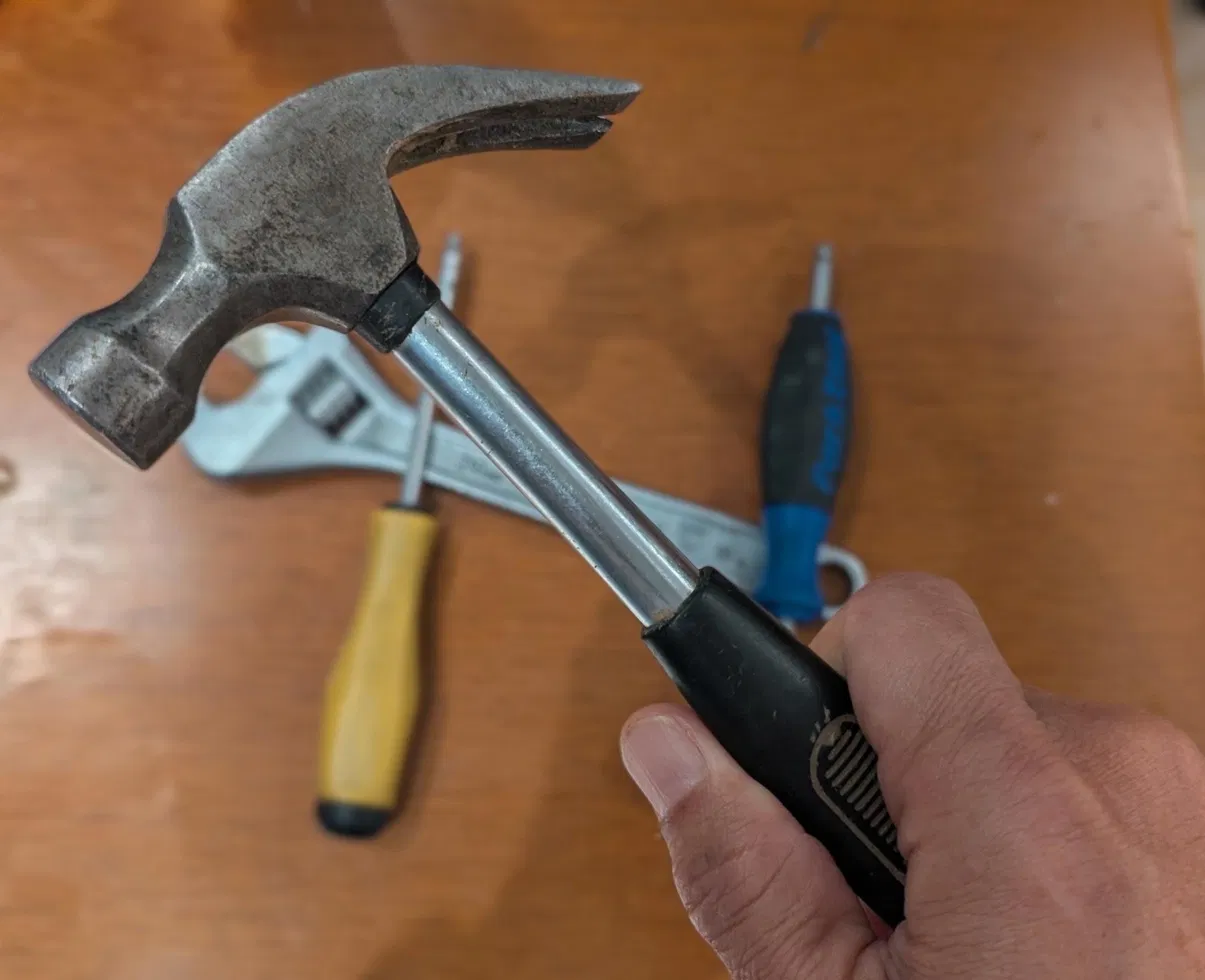
Think about a carpenter's tools. A hammer, a saw, a chisel, a box of nails. Any hardware store sells them for a few hundred dollars, and anyone can swing a hammer. But getting from a hammer to a cabinet is a long road. You have to know which tool to pick up next, how they work together, and what to do when the wood splits. Most people who own a hammer couldn't build a cabinet with doors that close.
And nobody wants the hammer in the first place. They want the cabinet. When a cabinet door comes off its hinge, nobody calls the hardware store. They call the carpenter.
The $20 plan is the hammer.
The word that matters most
Read the last line of the new model again. Growth is capped by what the software can do reliably.
Reliably. That's a testing word. It's the whole business hiding inside one adverb.
My IcebergQA co-founder Jason Arbon makes the same point from the other direction in his book, Testing AI: Engineering Confidence in Non-Deterministic Systems. Generation got cheap, so validation has become the scarce resource. AI can produce code, reports, and decisions faster than anyone can responsibly check them. And the output that looks right but is wrong is the dangerous kind, because it passes a casual read.
So what happens to a company selling finished work when nobody can prove the work is right? It stops being a service. It becomes a liability with a monthly invoice.
Go back to the accountant. A client doesn't pay $120,000 to add up numbers. QuickBooks does the arithmetic. They pay because someone puts their name on the numbers and picks up the phone when the auditor calls. The software was never accountable. The accountant was. Take the accountant out, and what's left is fast arithmetic that nobody stands behind.
Jason has a name for the person who carries that weight: the Confidence Engineer. In his framing, the product of that job isn't a dashboard full of activity. It's a decision someone can defend later, to a client, a regulator, or a court. AI can scale the measurement work. Accountability doesn't scale the same way.
The long road to the cabinet
Cheap tools cut both ways. If the hammer costs twenty dollars, anyone can buy one. Plenty of teams already have Claude developing their code. Owning the tools isn’t the hard part.
The hard part is the road between the tool and the finished thing. Knowing how to combine a handful of tools into something that holds together, and knowing where each one falls short. Most teams don't have that skill yet, with AI or without it. That road is what clients are really paying for.
A while back I ran a small experiment. A few testers and I bug-hunted the same app that Claude was testing. On anything the spec spelled out, Claude kept up with me. On the problems nobody wrote down, it missed. It tested what it was told. It didn't stop to ask what the person who wrote the spec actually meant, or click through the app the way a confused user would.
That's where people still belong. Not running every test by hand. Deciding what's worth testing, catching what the documentation never captured, and putting their name on the call that a release is ready.
When a bug escapes to production, nobody asks which tool missed it. They ask who signed off. And “the AI did it” won’t work as an answer for long. That question doesn't go away because the testing got automated. It gets sharper, because now there's more output, produced faster, by something that can't be held responsible for any of it.
At IcebergQA, testers.ai does most of the delivery. Our people own the decisions, the exceptions, and the sign-off. The client gets finished work with someone standing behind it.
It turns out we've been building a service-as-software company without calling it that.
Who signs for the work?
If Sequoia is right, a lot of companies are about to sell finished work instead of tools. Legal work. Accounting. Support. Code. They'll all hit the same ceiling, and it won't be the price of the model or the size of the sales team. It will be whether anyone is willing to stand behind the output.
Software has always shipped with a license that says, in capital letters, we're not responsible. Services never got that luxury. If services really are the new software, that disclaimer can't come along for the ride. Somebody has to own the result.
The tools will keep getting cheaper. Twenty dollars will become ten, then something bundled into a plan nobody remembers buying. Accountability won't get cheaper. If anything, it gets more expensive every time the volume of AI output doubles.
So when your AI ships something wrong, whose name is on it?